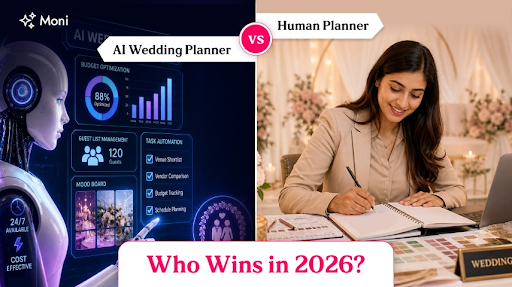
AI Wedding Planner vs Human Planner: Who Wins in 2026?
Weddings in 2026 are no longer just about grand venues and elaborate menus, they are about smart planning, personalisation, and efficiency. With technology evolving rapidly, couples today are faced with a new question: should they rely on an AI wedding planner or stick with a traditional human planner? Both options come with their own strengths, and the right choice depends on what you truly value for your big day.
Let’s explore how they compare.
The Rise of AI in Wedding Planning
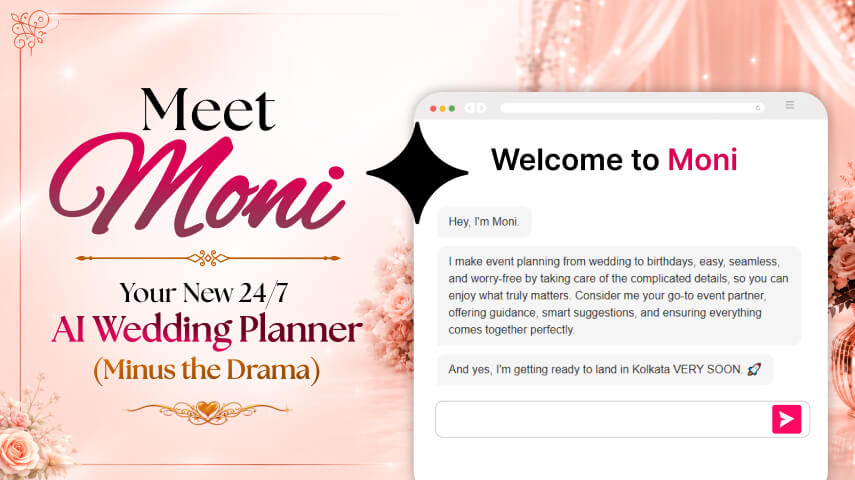
Technology has entered almost every aspect of our lives, and weddings are no exception. Platforms like EventsMonial are redefining how couples plan their celebrations. With tools such as Hellomoni, users can access instant suggestions, budget breakdowns, vendor recommendations, and timeline management, all within minutes.
An AI wedding planner works round the clock, offering quick responses and data-driven insights. Whether it’s finding décor ideas or shortlisting caterers within a budget, AI simplifies decision-making. It eliminates the need for endless calls and meetings, making it especially useful for busy couples.
Human Planners: The Traditional Experts
Despite the rise of automation, human planners continue to hold strong value. Their biggest advantage lies in emotional intelligence and real-world experience. Weddings are deeply personal, often involving family dynamics, last-minute chaos, and cultural nuances where human judgement plays a critical role.
A seasoned planner understands the unspoken expectations of Indian weddings. From managing relatives to handling vendor negotiations, they bring a level of empathy and adaptability that technology still struggles to replicate fully.
Cost Comparison: Budget Matters
One of the biggest deciding factors is cost. Hiring a human planner can be expensive, especially for large-scale weddings. Their fees often include consultation, coordination, and execution.
On the other hand, digital tools and platforms offer more affordable solutions. Many couples are now exploring the best AI wedding planner options because they provide structured planning support at a fraction of the cost. This makes AI particularly appealing for intimate or budget-conscious weddings.
Convenience and Accessibility
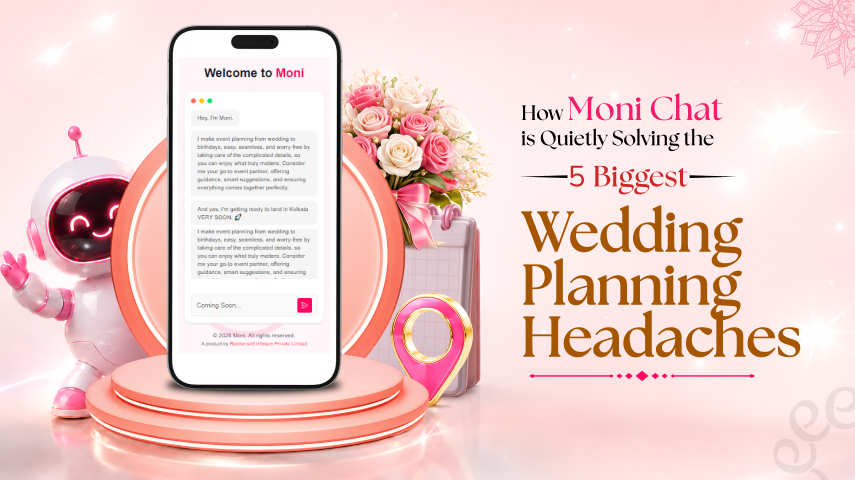
When it comes to convenience, AI clearly has an edge. Tools like Monichat provide instant assistance anytime, anywhere. Whether you are planning late at night or during a lunch break, help is always available.
Human planners, however, operate within limited hours and may require scheduled meetings. While they do offer personalised attention, the process can sometimes feel slower compared to the instant nature of AI tools.
Personalisation: Heart vs Algorithm
Personalisation is where the debate becomes interesting. AI relies on data, preferences, and patterns to suggest ideas. It can create highly customised plans based on your inputs, but it may lack the emotional depth that a human brings.
A human planner can read between the lines. They understand family traditions, emotional sentiments, and subtle preferences that may not be easily communicated through an app. For couples who want a deeply personalised and culturally rich experience, this human touch is invaluable.
Handling Crisis and Last-Minute Changes
Weddings rarely go exactly as planned. Sudden weather changes, vendor cancellations, or timeline delays are common challenges.
AI tools can suggest alternatives quickly, but execution still requires human intervention. A human planner can take immediate action, coordinate on-ground teams, and manage crises effectively. Their ability to stay calm under pressure is something technology is still developing.
The Hybrid Future: Best of Both Worlds
In 2026, the real winner is not AI or humans alone, it is the combination of both. Many couples are now adopting a hybrid approach. They use AI tools for planning, budgeting, and ideation, while relying on human planners for execution and emotional support.
Platforms integrating AI with human expertise are becoming increasingly popular because they offer efficiency without compromising on personal touch.
So, who wins? The answer depends on your priorities. If you value speed, affordability, and convenience, AI-driven tools are an excellent choice. If you prioritise emotional understanding, hands-on coordination, and cultural sensitivity, a human planner is worth the investment.
However, for most modern couples, the smartest approach is blending both. Use technology to streamline decisions and let human expertise handle the nuances.
After all, a wedding is not just an event, it is an experience. And in 2026, creating that perfect experience is all about choosing the right balance.